


The Benefits of Heavy-Duty V-Belts for Power Transmission
V-belts have a series of advantages. Here, we’ll discuss the benefits of heavy-duty v-belts for power transmission and why you should consider usin...
Technical guides, maintenance best practices, and expert insights for maintenance managers and engineers working with conveyor belts, V-belts, timing belts, and power transmission systems.
V-belts have a series of advantages. Here, we’ll discuss the benefits of heavy-duty v-belts for power transmission and why you should consider usin...

Material plays a key role in the performance of cutting equipment. Discover the differences between urethane and rubber bandsaw tires and which one...
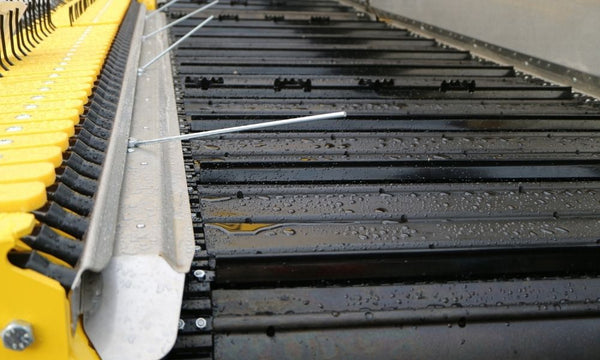
Urethane is a rising star in the processing world. Here are a few unique advantages of using urethane belting and why you should consider it for yo...
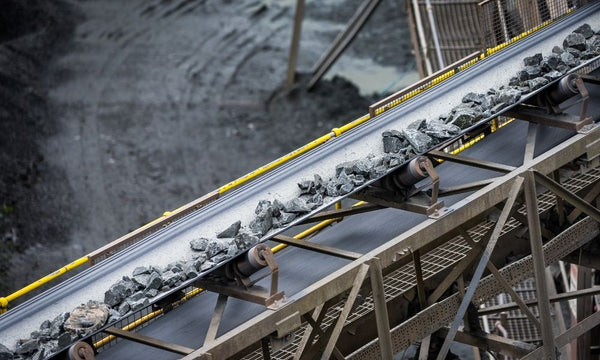
V-belts come in a series of materials to suit varying needs. This is what you need to know about rubber and Kevlar v-belts and how to pick the best...
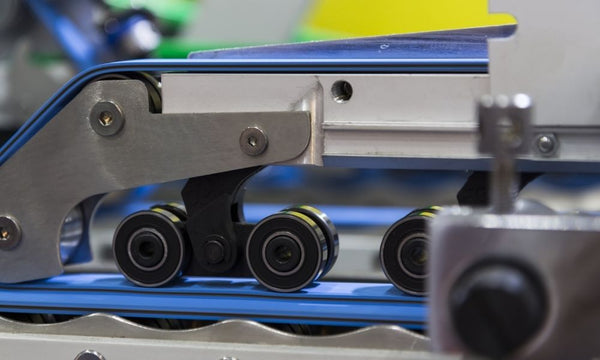
Folder gluer belts have changed the way we produce packaging materials. These are the advantages of using folder gluer belts in box manufacturing.
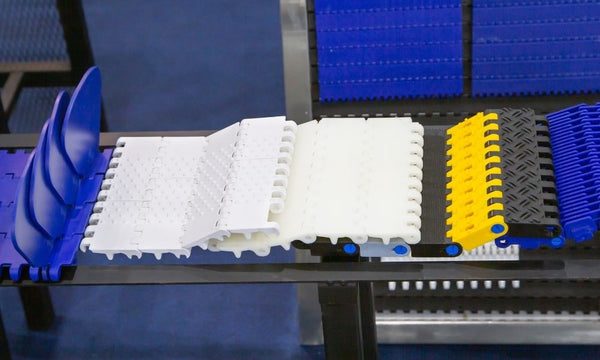
PVC is a rising star in the world of industrial processing and manufacturing materials. Discover the top three applications best suited for PVC con...

Food applications require the right materials. Discover the three best materials for food handling conveyor belts and how they contribute to your s...
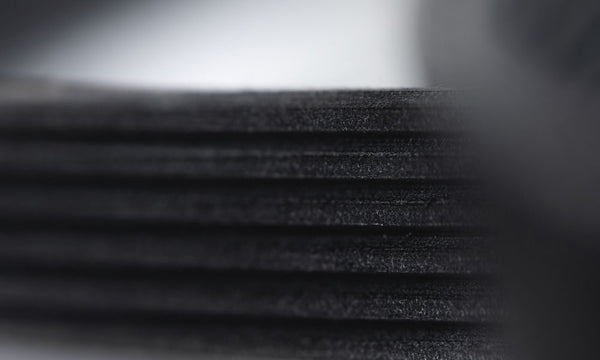
Measuring for new parts doesn’t need to be confusing. Discover how to quickly and easily measure V-belt dimensions and purchase the right replacement.
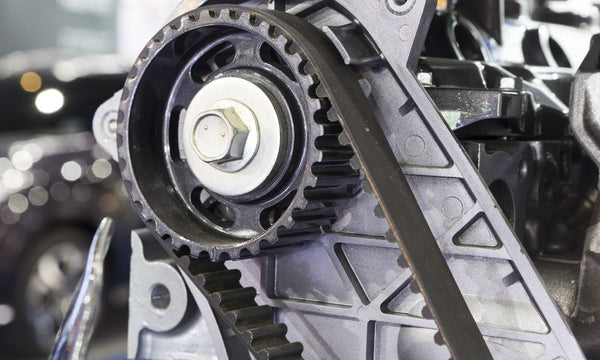
Rubber is the ideal material for most timing belt models. Read on to learn about the top reasons why timing belts are typically made with rubber.
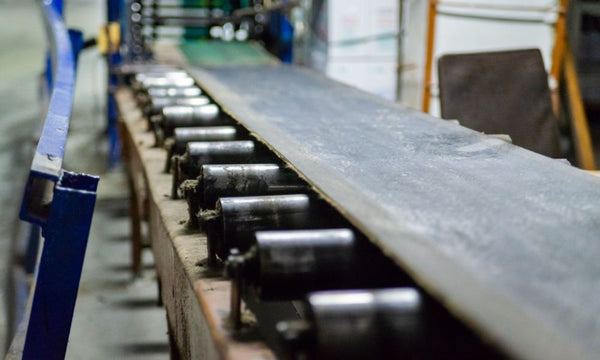
Material choice is vital to any effective and successful conveyor system. Find the best general-purpose conveyor belt material for your applications.
Find the technical resources you need to keep your belting and power transmission systems running at peak performance.
Selection, installation, splicing, and maintenance for rubber, PVC, and modular plastic conveyor belts.
Diagnose belt slip, mistracking, premature wear, edge damage, and splice failures with actionable fix-it steps.
How to read belt markings, measure cross-sections, and identify V-belt, timing belt, and conveyor belt types.
Application-specific belt recommendations for mining, food processing, agriculture, logistics, and manufacturing.