
Incline & Decline Conveyor Belting

High-friction conveyor belts engineered to move materials up and down steep angles without slippage. Texas Belting and Supply stocks rough top, diamond top, cleated, and custom sidewall belting for inclines from 10° to 90°. In stock and ready to ship from Houston, TX.

Conveyor Belts Built for Steep Angles

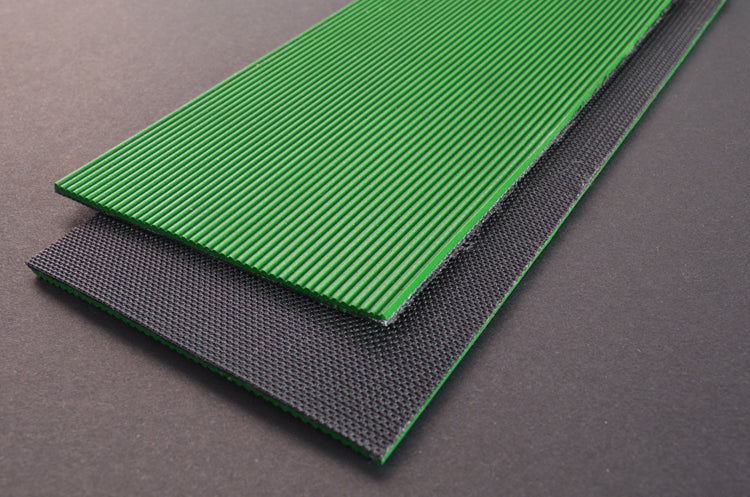
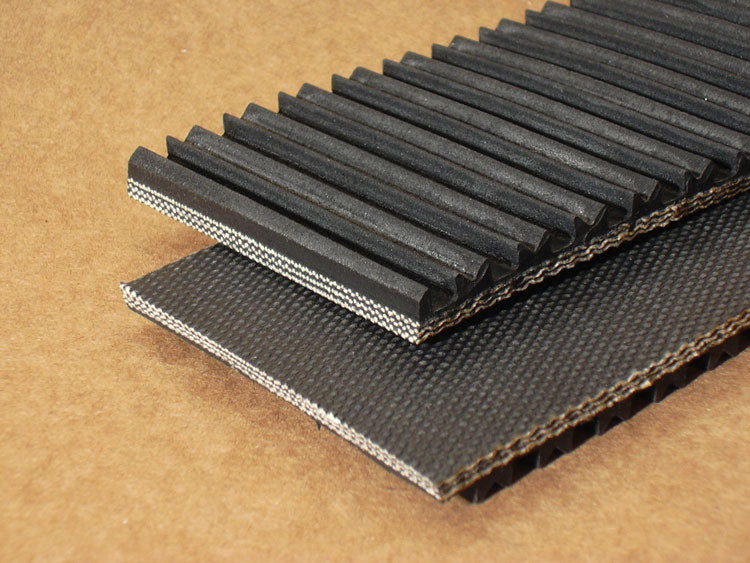
Moving products on incline and decline conveyors requires belts with specialized surface textures that grip materials and prevent backsliding. Our incline/decline belting lineup includes rough top, wedgegrip, mono-tote, V-cleat, steepgrade, and custom cleated sidewall options — covering everything from gentle 10° slopes to vertical 90° elevators.

Every belt is available in custom widths and lengths with same-day quoting. Not sure which surface texture or material is right for your angle? Call 888-203-2358 and our team will match you with the right belt.

Blue rough top incline decline conveyor belt
Most Popular

Rough Top Belting

The most popular incline/decline solution. Available in rubber and PVC with FDA, oil resistant, abrasion resistant, anti-static, and non-marking options. Wide range of colors and ply counts.

Wedgegrip diamond top high friction conveyor belt
High Friction

Wedgegrip / Diamond Top Belting

Very high coefficient of friction — ideal for the steepest incline/decline applications. Available in tan, gum rubber (non-marking), and black in 2 or 3 ply configurations.

Mono-tote self-cleaning incline conveyor belt
Self-Cleaning

Mono-Tote Belting

Ideal for conveying totes and flat-surface packages up steep inclines and declines. Self-cleaning around pulleys. Available in rubber, PVC, and urethane with anti-static and flame retardant options.

Z-cleat PVC impression incline conveyor belt
PVC

PVC Impression Belting

Economical incline option with multiple surface patterns: rough top, crescent top, Z-cleat, herringbone, and pebble top. Oil resistant PVC compound. Popular for agriculture, mail, and small package handling.

Steepgrade rubber belt for 45 degree inclines
Up to 45°

Steepgrade Belting

Engineered for the steepest inclines — up to 45° on some products. Available in black rubber and gum rubber (softer durometer for maximum grip). Gum rubber is non-marking.

Mono-Grip sticky top PVC incline belt
PVC

Mono-Grip Belting

PVC top cover on 2-ply monofilament carcass providing a positive "sticky top" carrying surface. High-speed capable with low noise. Also known as a sticky top belt.

Red supergrip high friction incline conveyor belt
High Friction

Supergrip Belting

Abrasion resistant with very high coefficient of friction. Commonly used in the corrugated box industry and pulling applications where maximum grip is essential.

Heavy duty V-cleat rubber incline conveyor belt
Heavy Duty

Heavy Duty V-Cleat Belting

Full-width or mini 6" V-cleats in rubber. Popular for horizontal grinders, tub grinders, bulk grain, gravel, and road planer applications.

HD mini bucket rubber belt for dirt gravel sand
Heavy Duty

HD Mini Bucket Belting

Popular for moving dirt, gravel, and sand on inclines. Also used in the recycling industry. Remains flexible in cold weather conditions.

White chevron food grade incline conveyor belt
FDA / Food Grade

Food Grade Incline Belting

Available in white and blue with multiple prefabricated profiles. Custom cleats and sidewalls prevent spillage. Detectable belting available for x-ray and magnetic detection systems.

Custom cleated sidewall incline conveyor belt up to 90 degrees
Custom / Up to 90°

Custom Cleat & Sidewall Belting

Custom cleated and sidewall belts for inclines up to 90°. Cleats in rubber, PVC, or urethane in I, T, lug, beefy, angled, and curved profiles from ½" to 6" tall. Sidewalls from 1" to 16" high.

Incline Belt Selection by Angle

Choosing the right belt starts with your conveyor's incline angle. Here's a quick guide to matching the correct belt surface to your slope.

10°

Gentle Incline (0°–15°)

Rough top or PVC impression belts work well. Smooth belts with textured patterns like crescent top or pebble top provide adequate grip at low angles.

25°

Moderate Incline (15°–30°)

Rough top, V-top/V-ridge, mono-tote, or supergrip belts. Higher friction surfaces prevent backsliding as the angle increases.

45°

Steep Incline (30°–45°)

Diamond top/wedgegrip, steepgrade, or V-cleat belts. These provide maximum friction and physical barriers to prevent material from sliding back.

90°

Vertical (45°–90°)

Custom cleated sidewall belts with T-cleats, lug cleats, or bucket profiles. Sidewalls from 1" to 16" contain material at extreme angles up to fully vertical.

Frequently Asked Questions

What is the best conveyor belt for incline applications?

It depends on your incline angle and what you're conveying. Rough top belting is the most versatile and popular choice for moderate inclines. For steeper angles (30°+), diamond top/wedgegrip or steepgrade belts provide higher friction. For very steep or vertical applications, custom cleated sidewall belts are required.

What is the maximum angle for an incline conveyor belt?

Standard textured belts like rough top work up to about 25°–30°. Steepgrade and diamond top belts can handle up to 45°. For angles beyond 45° and up to fully vertical (90°), custom cleated sidewall belts with containment walls are needed.

Do you carry food-grade incline belts?

Yes. We stock FDA-compliant incline belting in white and blue with prefabricated chevron profiles. Custom cleats and sidewalls are available, along with detectable belting for x-ray and magnetic detection systems used in food processing.

What cleat and sidewall sizes are available for custom belts?

Cleats are available from ½" to 6" tall in rubber, PVC, or urethane, in profiles including I, T, lug, beefy, angled, and curved shapes. Corrugated sidewalls range from 1" to 16" in height. All custom belts are fabricated to your specifications.

What causes product slippage on incline conveyors?

Slippage is typically caused by using a belt with insufficient coefficient of friction for the conveyor's angle, worn belt surfaces, oil or moisture on the belt, conveying items with smooth bottoms, or operating at excessive speed. Upgrading to a higher-friction surface pattern or adding cleats usually resolves the issue.

Need Help Choosing the Right Incline Belt?

Tell us your angle, material, and application — our experts will recommend the perfect belt.

Get a Free Quote Today